Top 5 Questions to Ask When Choosing a Daycare in North County San Diego
Finding quality childcare represents one of the most important decisions parents make, especially in North County San Diego, where families have numerous choices. Whether you're searching for a daycare in Vista or exploring childcare options in Vista CA, asking the right questions helps you find safe, nurturing care that supports your child's development while giving you peace of mind during working hours. The childcare landscape in North County offers diverse options, from intimate family daycares in Vista, CA to larger licensed centers, each with unique approaches to early childhood education and care.
Key Takeaways
- Licensing and safety protocols form the foundation of quality childcare, requiring verification of current California state licensing and comprehensive safety measures
- Staff qualifications and ratios directly impact your child's care quality, with experienced caregivers maintaining appropriate staff-to-child ratios for different age groups
- Educational philosophy and daily structure should align with your family's values while promoting age-appropriate learning and development
- Communication practices and parent involvement create transparency and partnership between families and childcare providers
- Practical considerations, including hours, location, meals, and pricing, affect daily logistics and long-term sustainability
- Health and emergency procedures protect children's well-being through clear illness policies, emergency preparedness, and medical care protocols
What Licensing and Safety Standards Does This Facility Meet?
When evaluating any licensed daycare California facility, start by verifying current state licensing through the California Department of Social Services. Licensed facilities undergo regular inspections and must meet specific health, safety, and operational standards outlined in Title 22 of the California Administrative Code.
California regulations cover the sturdiness and safety of all equipment (both indoor and outdoor), the removal of all potential safety hazards, and the reporting of accidents, injuries, and illnesses. Basic safety requirements include background checks for all staff members working with children, proper childproofing of environments with age-appropriate toys and equipment, and maintaining outdoor play areas with proper fencing and equipment maintenance.
Ask to see current licensing certificates, recent inspection reports, and documentation of staff background checks. Reputable daycares in Vista, CA, willingly share this information and often display licensing certificates prominently.
Consider touring the facility at different times to observe safety practices in action. Notice whether staff actively supervise children, maintain clean environments, and follow established safety procedures consistently.
How Do You Handle Staff Qualifications and Child-to-Staff Ratios?
Staff qualifications significantly impact the quality of care your child receives. California requires teachers in licensed child care centers to have a high school diploma or equivalent, complete at least 12 units of early childhood education coursework, and have at least 6 months of experience working with children in a licensed childcare setting.
A mandatory 16 hours of Pediatric Health & Safety training must be completed. Providers must be in good health, able to pass a background check, and trained in CPR and first aid.
California mandates specific staff-to-child ratios that vary by age group to provide adequate supervision and attention:
| Age Group | California Required Ratio |
|---|---|
| Infants (birth to 24 months) | 1 staff member for 4 children |
| Preschool (2-5 years) | 1 staff member for 12 children |
| School-age (6+ years) | 1 staff member for 14 children |
These ratios are in place to ensure that each child receives adequate attention and supervision. These ratios are intended as minimum required standards for health and safety.
Staff turnover rates provide insight into workplace stability and job satisfaction. High turnover disrupts children's routines and relationships, while stable staffing allows caregivers to develop meaningful connections with children and families.
Ask about professional development opportunities, staff retention rates, and how they support ongoing education. Facilities that invest in staff development typically provide higher-quality care and maintain more experienced teams.
What Educational Philosophy and Daily Schedule Do You Follow?
Understanding a facility's educational approach helps determine whether it aligns with your family's values and your child's learning style. Some programs focus on structured academic preparation, while others focus on play-based learning or mixed approaches.
Common educational philosophies include:
- Play-based learning - Promotes exploration, creativity, and natural development through guided play activities
- Academic readiness programs - Introduce early literacy and numeracy skills to prepare children for school
- Montessori methods - Focus on self-directed learning with hands-on educational materials and child choice
- Reggio Emilia approach - Emphasize child-led projects and learning through environmental exploration
Request a typical daily schedule to understand how time is allocated between different activities. Quality programs balance structured learning, free play, outdoor time, meals, and rest periods appropriate for each age group.
Ask about curriculum flexibility and individualization. Children develop at different paces, and good programs adapt to individual needs rather than forcing all children into identical learning paths. Consider how they address:
- Learning style differences - Visual, auditory, and kinesthetic learners with varied teaching approaches
- Developmental delays - Additional support and modified activities for children who need extra help
- Advanced abilities - Challenging activities for children who are ready for more complex learning
- Special interests - Opportunities to explore individual passions and talents
Consider whether the facility provides enrichment activities such as music, art, physical education, or language exposure. These programs can help your child's development while maintaining engagement throughout the day.
How Do You Communicate with Parents and Encourage Family Involvement?
Strong parent-provider communication creates a partnership in your child's care and development. Good communication systems keep families informed about daily activities, developmental progress, and any concerns that arise.
Modern childcare Vista, CA facilities often use digital platforms that provide real-time updates, photos, and developmental observations. These systems allow working parents to stay connected throughout the day while maintaining detailed records of their child's experiences.
Regular communication methods may include:
- Daily reports - Document meals, naps, activities, and behavior observations
- Weekly or monthly newsletters - Highlight upcoming events and educational themes
- Parent-teacher conferences - Discuss developmental progress and goals
- Open communication policies - Encourage parents to contact staff with questions or concerns
Parents must be allowed to visit the program in which their child is enrolled at any time. This open-door policy allows parents to observe their child's environment and daily experiences.
Ask about their policy for addressing concerns or conflicts. Quality providers welcome parent feedback and have established procedures for resolving issues professionally and promptly.
What Are Your Policies Regarding Health, Meals, and Emergency Procedures?
Health policies protect all children in the facility while managing illness appropriately. Understanding these policies helps you plan for sick days and makes sure your child's health needs are properly addressed.
California requires that all children attending daycare, as well as staff members, meet specific health and immunization requirements. Illness policies typically specify when children must stay home, requirements for returning after illness, and procedures for managing symptoms that develop during the day.
Nutrition and Meal Standards
All food shall be safe and of the quality and in the quantity necessary to meet the needs of the children. Each meal shall include, at a minimum, the amount of food components as specified by Title 7, Code of Federal Regulations, Part 226.20. This federal regulation ensures children receive balanced, nutritious meals that support their growth and development.
Healthy beverage requirements limit drinks to clean and safe drinking water, 1% or nonfat milk, and no more than 1 serving of 100% fruit juice with no added sweetener of any kind. You are required to post a complete menu of all meals and snacks to be served at your center at least 1 week in advance.
Many licensed daycare California facilities participate in the Child and Adult Care Food Program (CACFP), which provides nutritional guidelines and reimbursement for qualifying meals. Food safety requirements include proper storage temperatures for perishable items, separate storage areas for food and cleaning supplies, and trained staff following safe food handling procedures.
Emergency Preparedness and Health Protocols
Emergency procedures cover medical emergencies, natural disasters, and facility security issues. Quality childcare Vista, CA facilities maintain detailed emergency plans with regular staff training and practice drills.
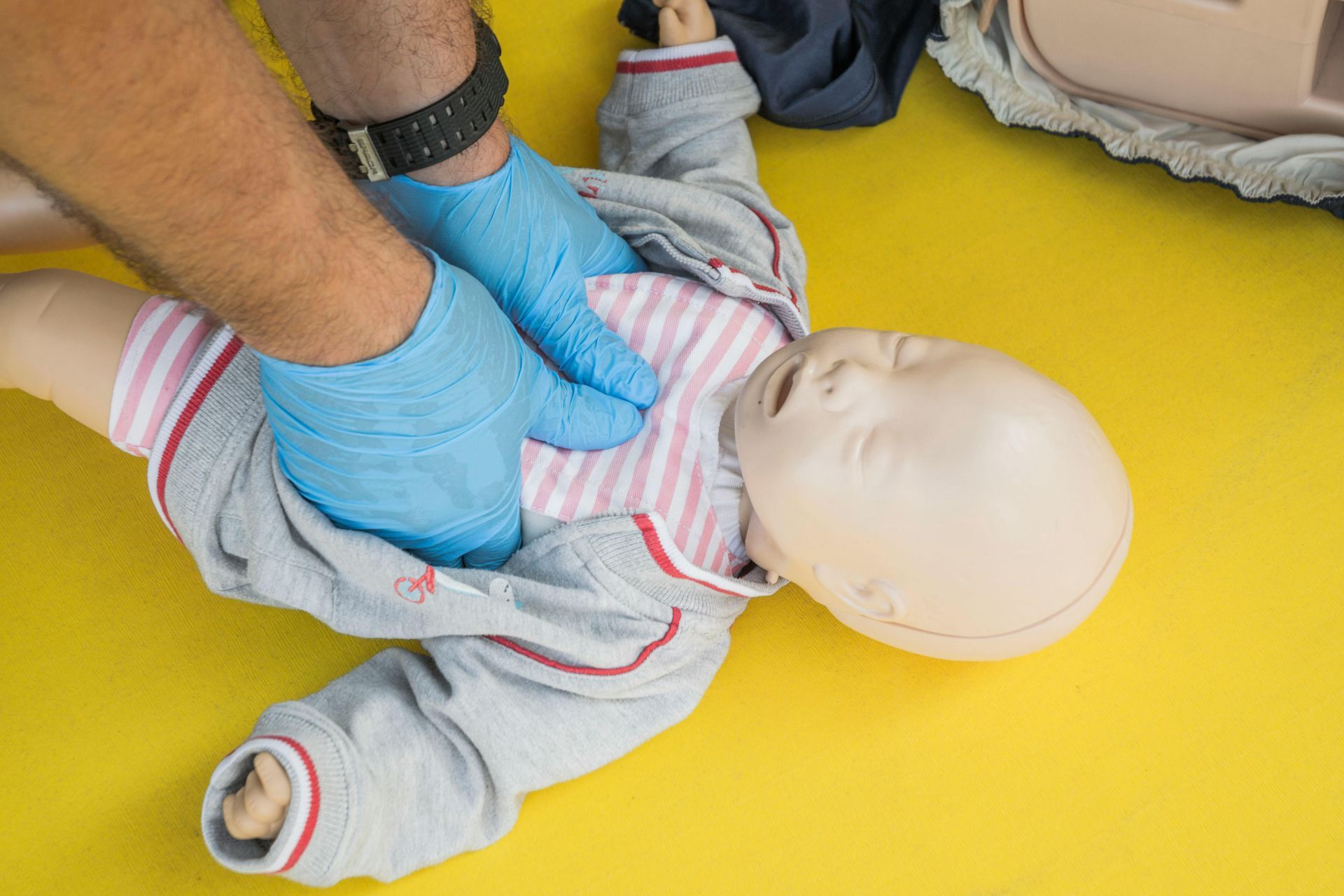
Programs must establish and implement policies and procedures to respond to medical and dental health emergencies with which all staff are familiar and trained. Programs must ensure: Posted policies and plans of action for emergencies that require rapid response on the part of staff (a child choking) or immediate medical or dental attention.
Key emergency preparedness elements include:
- Evacuation procedures - Comprehensive plans for different types of emergencies with designated meeting locations outside the building
- Emergency supplies - Well-stocked kits with first aid materials and emergency contact information readily accessible
- Regular practice drills - Scheduled exercises to ensure staff and children know procedures for various emergency scenarios
- Communication protocols - Clear plans for notifying parents and emergency services during crisis situations
Health monitoring throughout the day includes:
- Illness assessment - Regular temperature checks when children appear unwell, with proper isolation protocols
- Medical administration - Safe procedures for giving prescribed medications with proper documentation
- Contagious disease protocols - Clear guidelines for handling exposure situations and preventing the spread of illness
- Emergency medical response - Trained staff ready to provide immediate care while awaiting professional medical assistance
Request information about their emergency contacts system, medical care authorization procedures, and evacuation plans. Understanding these procedures provides peace of mind and helps you prepare appropriate emergency information for your child.
How Do You Handle Practical Considerations Like Cost, Hours, and Enrollment?
Understanding the practical aspects of daycare operations helps ensure the arrangement works for your family's needs and budget. These logistics often determine whether a particular facility can accommodate your family's schedule and financial situation.
Daycare costs in North County San Diego vary significantly based on several factors. Age-based pricing typically means infant care costs more than preschool programs due to lower staff-to-child ratios and specialized care requirements.
Key cost considerations include:
- Monthly tuition rates - Base costs for regular attendance with age-specific pricing tiers
- Registration and supply fees - One-time or annual charges for enrollment and classroom materials
- Additional program costs - Extra fees for meals, field trips, or special enrichment activities
- Financial assistance options - State subsidy programs, sliding fee scales, or sibling discounts
Operating hours significantly impact whether a facility can accommodate your work schedule. Most licensed daycare centers operate during standard business hours, typically from 6:30 AM to 6:00 PM, though hours vary by facility. Some centers offer extended hours or weekend care for families with non-traditional work schedules.
The enrollment process often begins months before you need care, especially for infant programs. Many popular facilities maintain waiting lists and may require deposits to hold spots. Application procedures typically include facility tours, paperwork completion, health records submission, and orientation sessions.
Frequently Asked Questions
How much does daycare typically cost in Vista, CA?
Daycare costs in Vista vary based on age group, schedule, and facility type, with infant care generally costing more than preschool programs. Contact multiple facilities for current pricing and available scheduling options that fit your budget.
What age groups do most daycares in Vista CA accept?
Most licensed childcare facilities accept children from 6 weeks through school age, though specific age ranges vary by facility capacity and specialization. Some programs focus exclusively on infants and toddlers, while others serve broader age ranges.
How far in advance should I apply for daycare in Vista?
Many popular facilities maintain waiting lists, especially for infant care, so applying several months in advance is recommended. Contact facilities early in your search to understand their enrollment timeline and waitlist procedures.
What should I bring for my child's first day at daycare?
Most facilities provide a list of required items, including extra clothing, comfort items, diapers or potty supplies, and any special feeding equipment. Label all personal items clearly and follow the facility's specific guidelines for daily supplies.
How do I know if my child is adjusting well to daycare?
Signs of positive adjustment include eagerness to attend, positive relationships with caregivers, engagement in activities, and maintaining normal eating and sleeping patterns. Discuss any concerns with your childcare provider to address adjustment challenges promptly.
Final Thoughts
Choosing quality childcare requires careful research, thoughtful questions, and trust in your instincts as a parent. By focusing on licensing standards, staff qualifications, educational approaches, communication practices, facility environment, and practical considerations, you can identify a daycare in Vista that meets your family's needs and supports your child's healthy development. Take time to visit multiple facilities during active hours, ask detailed questions about policies and procedures, and observe how staff interact with children to make an informed decision that provides both excellent care for your child and peace of mind for your family.
Ready to find the perfect daycare for your child? Contact NiteOwl Nursery & Child Care today to schedule a tour and see how we provide safe, nurturing care in Vista, CA.
Reference:
https://www.cdss.ca.gov/